> ## Documentation Index
> Fetch the complete documentation index at: https://docs.carletonblockchain.ca/llms.txt
> Use this file to discover all available pages before exploring further.
# Birth of Bitcoin
> The origin and early history of Bitcoin
On October 31, 2008, an individual or group using the pseudonym Satoshi Nakamoto released the Bitcoin whitepaper titled "Bitcoin: A Peer-to-Peer Electronic Cash System" on a cryptography mailing list called the Metzdowd Cryptography Mailing List.
This whitepaper includes 12 sections, but we will focus on the 5 most fundamental aspects that form the foundation of Bitcoin:
1. Electronic Cash System - How Bitcoin enables peer-to-peer transactions without intermediaries
2. Transactions - The building blocks of Bitcoin using digital signatures
3. Timestamp Server & Proof-of-Work - How consensus is achieved and secured
4. Network Architecture - How the network operates and verifies transactions
5. Incentives & Mining - The economic model that keeps the network running
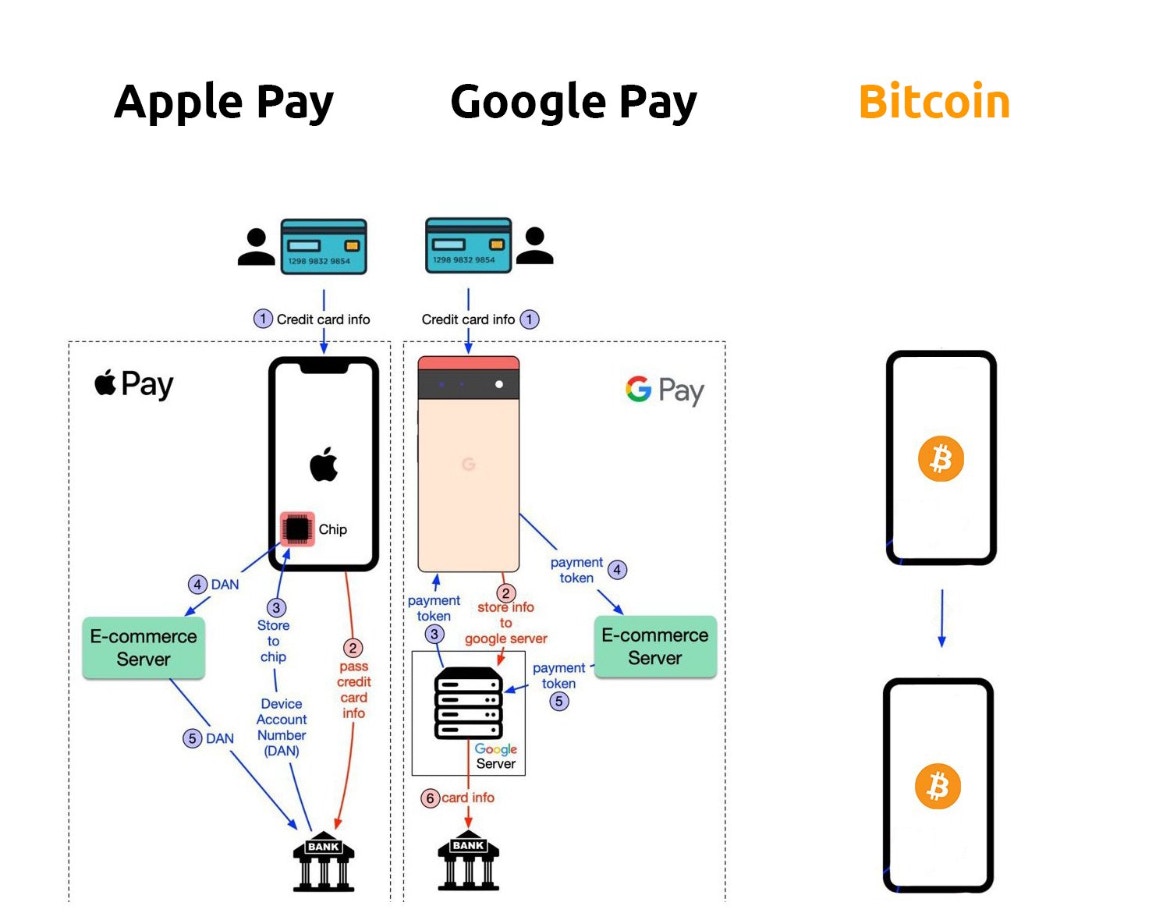
Current financial markets rely on financial middlemen - when transacting online with strangers, you must rely on third parties like banks.
A peer-to-peer version of electronic cash would allow online payments to be sent directly from one party to another without going through a financial institution.
Bitcoin focuses on building trustless systems built on top of computer science versus traditional trust-based systems.
 Transactions are the fundamental building blocks of the Bitcoin network, utilizing digital signatures for security.
Each transaction relies on two key components:
* Public keys: Function like an email address for receiving bitcoin and viewing balances
* Private keys: Act as a password to control funds and sign transactions
Digital signatures ensure:
* Only the rightful owner can spend their bitcoin
* Transactions cannot be forged or tampered with
* All transactions are [publicly verifiable](https://btcscan.org/)
The Bitcoin network uses Proof of Work and timestamp servers to validate transactions and achieve consensus:
Timestamp Server:
* Creates an immutable chronological order of transactions
* Each block contains a timestamp and link to previous block
* Forms an unbroken chain of transaction history
Proof of Work:
* Requires significant computational effort to create blocks
* One CPU equals one vote in the network
* The longest chain represents the network consensus
* Makes the system computationally expensive to attack
The Bitcoin network operates on a distributed peer-to-peer model:
Key Components:
* Nodes maintain and verify the complete transaction history
* New transactions are broadcast to all nodes
* Each node collects transactions into blocks
* Nodes accept only valid blocks and transactions
* Nodes express acceptance by working on the next block
Network Rules:
* All nodes operate under the same protocol
* Invalid transactions are rejected automatically
* The longest valid chain is always accepted as truth
The network is secured through economic incentives:
Mining Process:
* Miners validate transactions and create new blocks
* Complex mathematical problems must be solved
* Successful miners receive newly created bitcoins
* Block rewards incentivize honest participation
Economic Model:
* Mining requires significant investment in hardware
* Energy costs create natural economic barriers
* Miners are incentivized to protect network value
* Attack costs exceed potential profit
Transactions are the fundamental building blocks of the Bitcoin network, utilizing digital signatures for security.
Each transaction relies on two key components:
* Public keys: Function like an email address for receiving bitcoin and viewing balances
* Private keys: Act as a password to control funds and sign transactions
Digital signatures ensure:
* Only the rightful owner can spend their bitcoin
* Transactions cannot be forged or tampered with
* All transactions are [publicly verifiable](https://btcscan.org/)
The Bitcoin network uses Proof of Work and timestamp servers to validate transactions and achieve consensus:
Timestamp Server:
* Creates an immutable chronological order of transactions
* Each block contains a timestamp and link to previous block
* Forms an unbroken chain of transaction history
Proof of Work:
* Requires significant computational effort to create blocks
* One CPU equals one vote in the network
* The longest chain represents the network consensus
* Makes the system computationally expensive to attack
The Bitcoin network operates on a distributed peer-to-peer model:
Key Components:
* Nodes maintain and verify the complete transaction history
* New transactions are broadcast to all nodes
* Each node collects transactions into blocks
* Nodes accept only valid blocks and transactions
* Nodes express acceptance by working on the next block
Network Rules:
* All nodes operate under the same protocol
* Invalid transactions are rejected automatically
* The longest valid chain is always accepted as truth
The network is secured through economic incentives:
Mining Process:
* Miners validate transactions and create new blocks
* Complex mathematical problems must be solved
* Successful miners receive newly created bitcoins
* Block rewards incentivize honest participation
Economic Model:
* Mining requires significant investment in hardware
* Energy costs create natural economic barriers
* Miners are incentivized to protect network value
* Attack costs exceed potential profit